

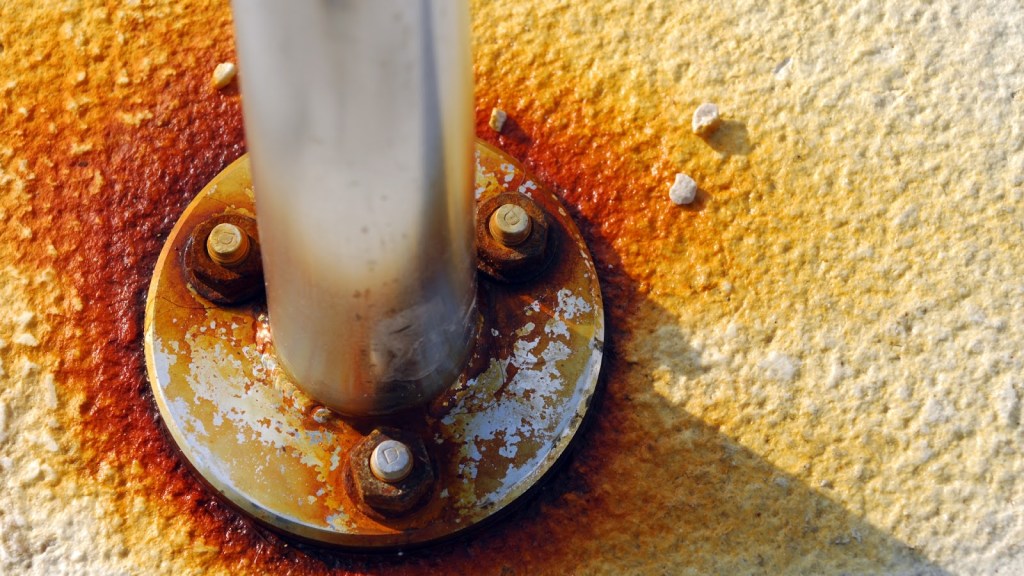
Keep your stainless steel equipment lasting longer. This simple guide many people believe stainless steel is completely rust-proof. However, under certain conditions, it can corrode. As a stainless steel fabricator in Puchong, CDN Stainless Steel explains the science behind this and how to prevent it.
The Science: Why “Stainless” Steel Can Rust
Stainless steel resists rust because of a thin, protective chromium oxide layer on its surface. Rust occurs when this “passive layer” is damaged and cannot repair itself, exposing the underlying iron to oxygen and moisture.
Top 5 Causes of Stainless Steel Rust
Here are the most common reasons why your stainless steel equipment might develop rust:
1. Exposure to Chlorides & Salts
This is the #1 enemy of stainless steel, especially in Malaysia.
- Sources: Sea air (coastal areas), swimming pool chemicals, industrial cleaners, and common household bleach.
- Effect: Chlorides aggressively break down the protective layer, leading to pitting corrosion.
2. Physical Damage & Scratches
Deep scratches or abrasions can penetrate the surface layer.
- Causes: Using steel wool, abrasive pads, or improper tools for cleaning.
- Effect: Exposes the raw metal underneath, creating a starting point for rust.
3. Contact with Other Metals (Galvanic Corrosion)
When stainless steel touches ordinary steel or iron in a damp environment.
- Scenario: An ordinary steel bolt used to fix a stainless steel panel, or storing carbon steel tools on a stainless table.
- Effect: Causes accelerated corrosion at the contact point.
4. Chemical Contamination
- Sources: Strong acids from industrial processes, prolonged contact with food acids (like vinegar or lemon juice), or iron particles from grinding nearby carbon steel.
- Effect: Contaminants settle on the surface, degrading the protective layer.
5. Poor Fabrication or Finish
- Issues: Inadequate cleaning after welding (leaving “weld scale”), not performing proper passivation after fabrication, or low-quality steel.
- Effect: The material’s inherent corrosion resistance is compromised from the start.
How to Prevent Rust on Your Stainless Steel Equipment
- Clean Correctly: Use non-chloride cleaners and soft cloths. Always rinse and dry thoroughly.
- Avoid Contact: Keep mild steel tools and materials separate. Use compatible fasteners.
- Regular Inspection: Look for early signs of tea-staining or pitting.
- Choose the Right Grade: For coastal Puchong or high-chloride environments, specify Grade 316 Stainless Steel over the more common 304.
Need Professional Help in Puchong?
If your commercial kitchen, industrial workbench, or stainless steel tank shows signs of rust, our team can help.
- We provide professional passivation to restore the protective layer.
- We offer repair and refinishing services.
- We fabricate using the correct grade for your environment.
> Protect your investment. Contact CDN Stainless Steel in Puchong for expert advice on material selection, fabrication, and maintenance.

